Season 1 • Episode 12

Easy on people, tough on standards: A COO's leadership philosophy

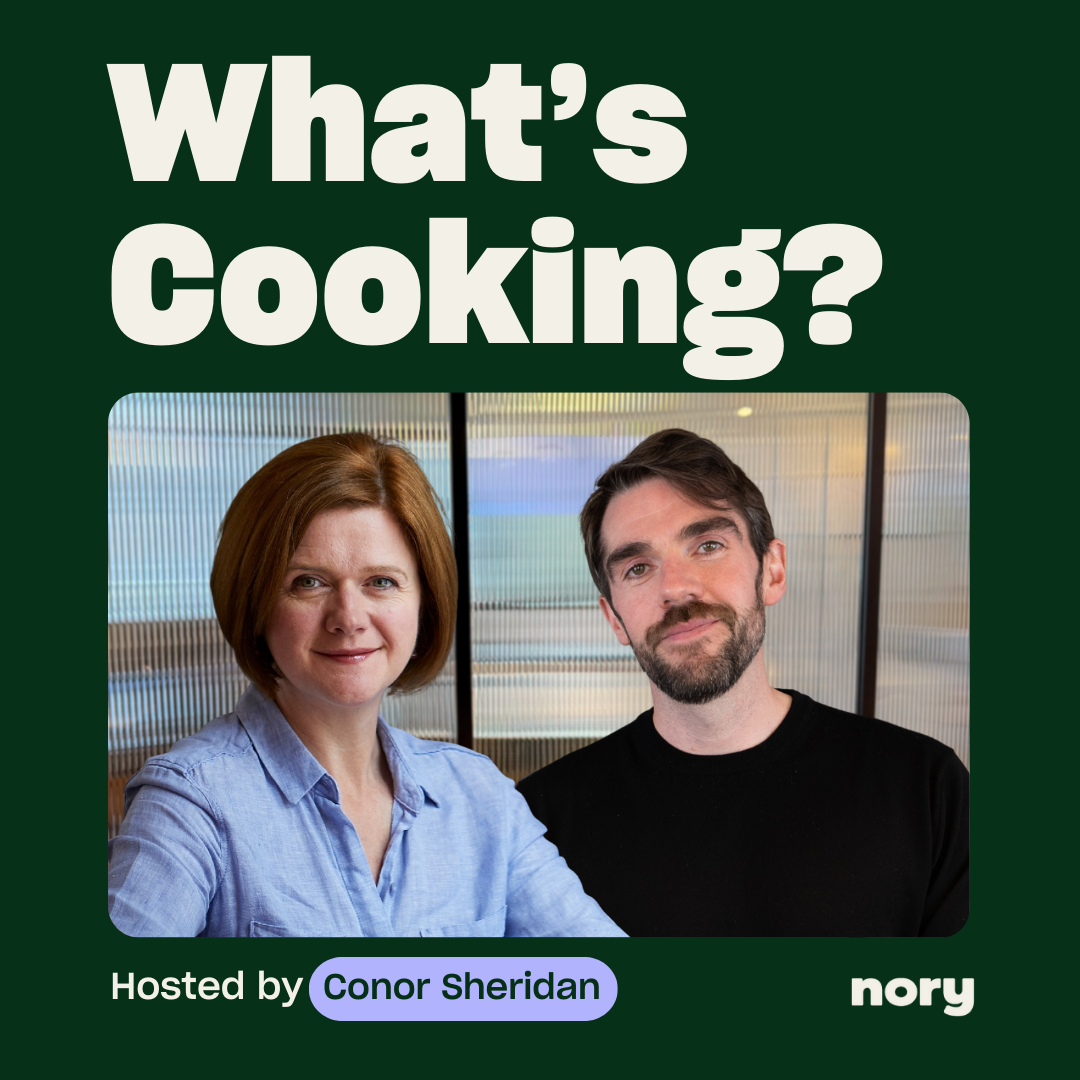
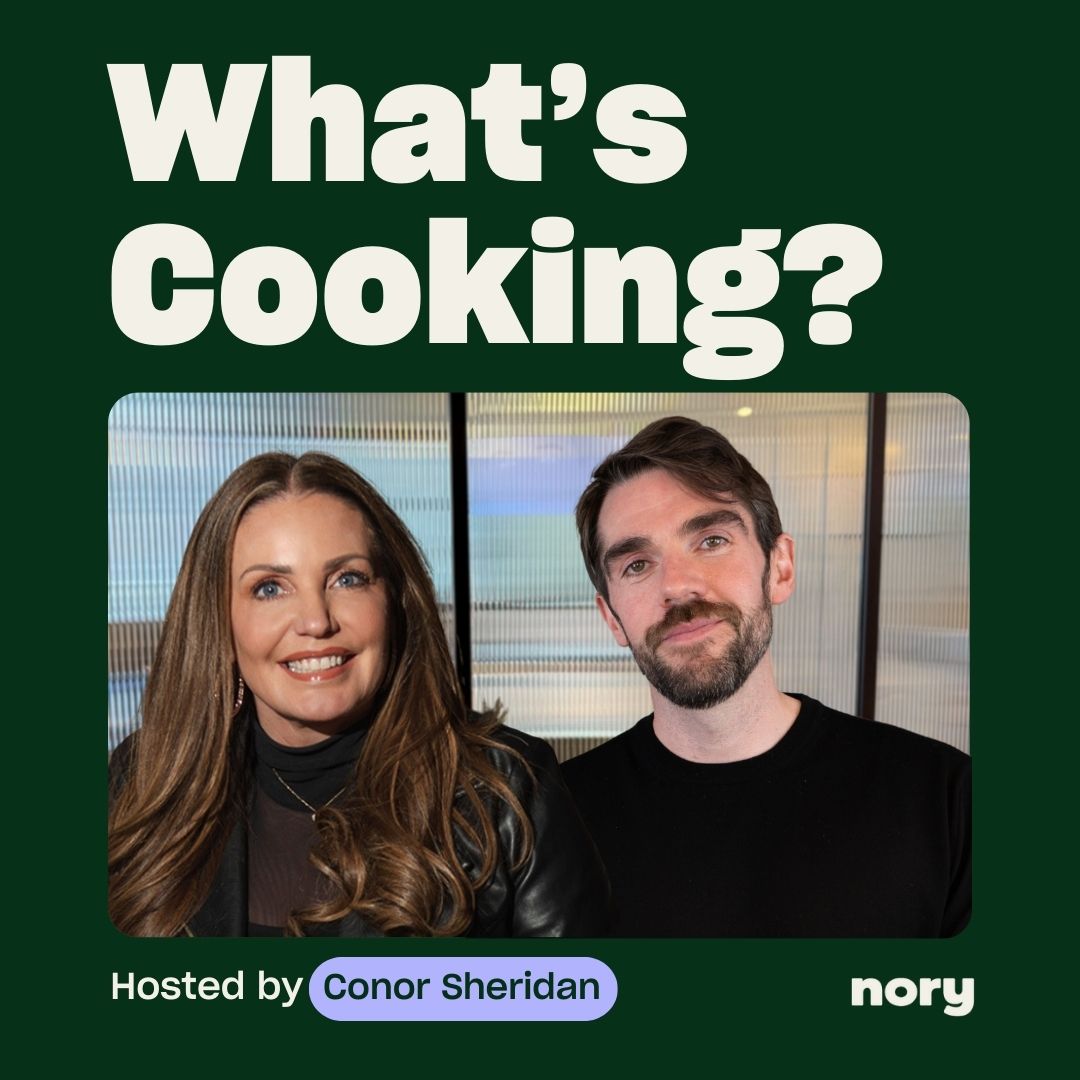
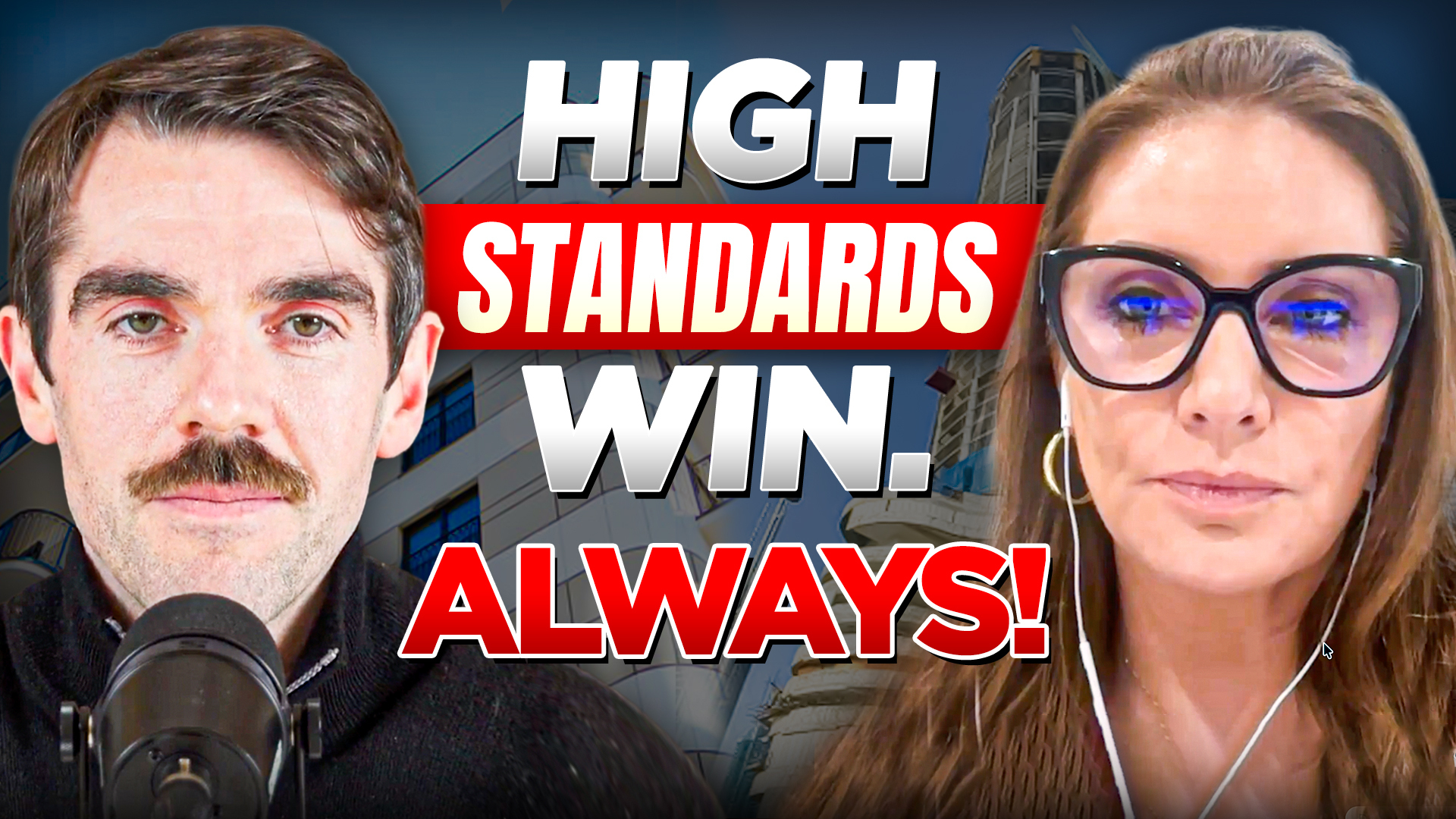
In this episode of What’s Cooking?, host Conor Sheridan talks with Amy Hom, Chief Operating Officer at Barcelona Wine Bar, about scaling leadership in hospitality. From humble beginnings to the C-suite, Amy shares powerful insights on developing frontline teams, creating real culture, and making operations more human. A must-listen for operators navigating complexity at scale.
December 11, 2025 - 41 mins
Play
Next
Description
Transcript
Discover how to develop frontline teams, create real culture, and make operations more human
What You'll Learn in This Episode
  • Why frontline development is a non-negotiable for restaurant success
  • How to balance empathy with high standards in leadership
  • Practical advice on implementing new tech in multi-site operations
  • The importance of stay interviews and succession planning
  • Why culture is built through action, not slogans

Meet our guest

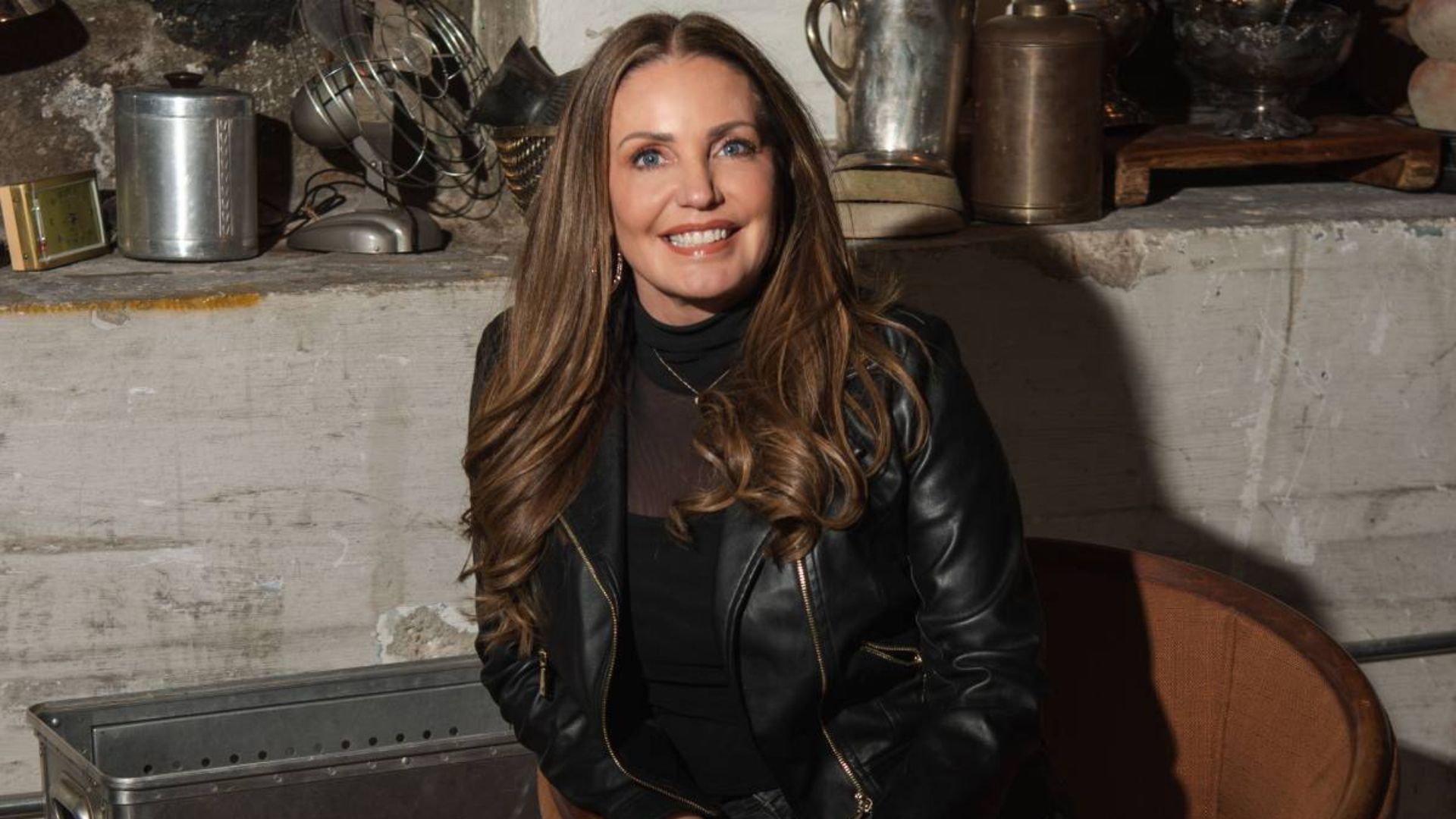
Amy Hom is a veteran operator and board leader with over 20 years in hospitality. From sweetgreen to REEF and now Barcelona Wine Bar, Amy has held top roles and now channels her experience into mentoring future leaders through initiatives like LEAD and GLEAM Network.
About the host

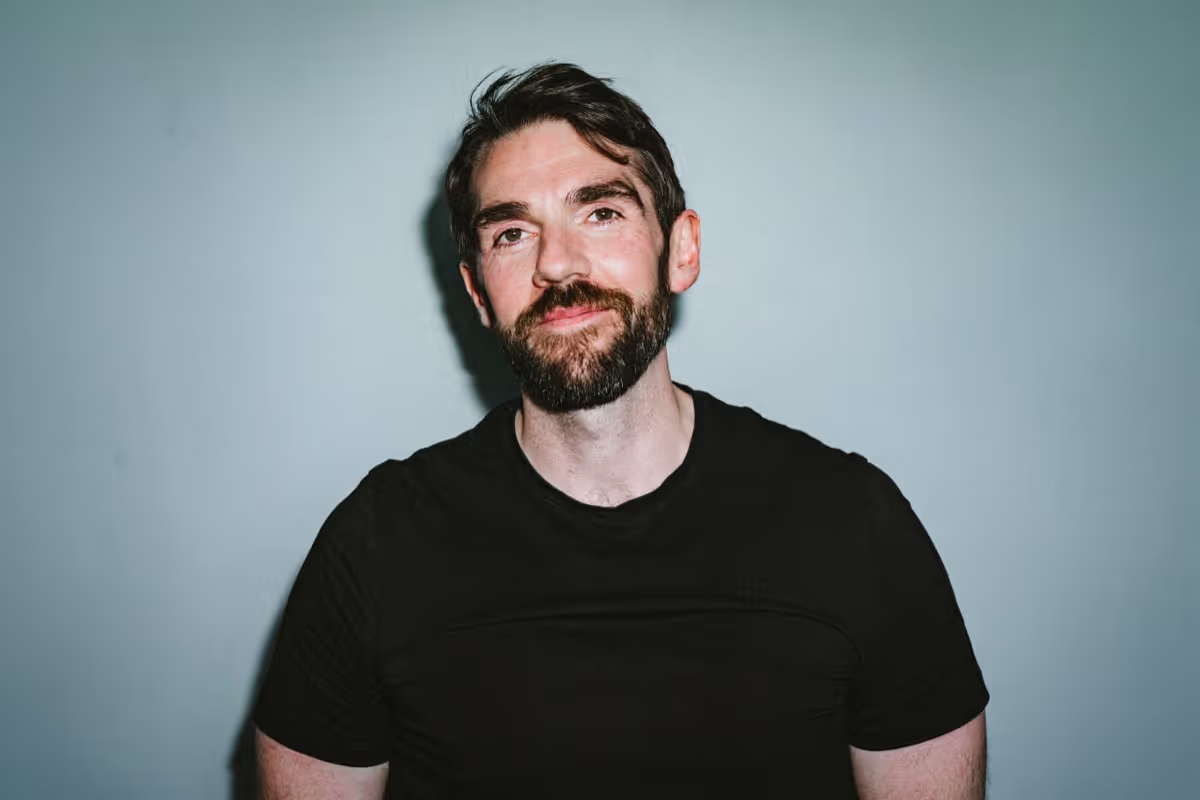
Conor Sheridan is the founder and CEO of Nory, an agentic AI restaurant management system alongside being the co-founder of Mad Egg. Conor blends hands-on restaurant experience with a passion for tech-driven efficiency and profitability in hospitality.

Conor Sheridan
Enjoyed the Episode?

Enjoyed the episode? Read our blog for more stories and insights from hospitality leaders.

Curious about how Nory helps brands run smarter, more profitable operations?
Speak to our team to learn more.

00:00:00

Amy Hom

There are so many opportunities in this industry for anyone at any level. There is not a person that can go in and just be the same kind of leader in every single different organization. You really do have to flex your style. Your success and your adventure in this industry, it can all stem from having a really great mentor.

00:00:19

Conor Sheridan

I'm Conor Sheridan, founder and CEO of Nory, and welcome to What's Cooking. Welcome back to What's Cooking, the show that dives into the real operational fires behind fast growing hospitality businesses and how the people at the top are trying to put them out. Today we're zero inning on something every operator knows is critical, but few get right at scale, leadership. Not just vision and values, but the real gritty work of developing managers, coaching frontline teams, and making decisions under pressure.

In hospitality, great leadership is not a nice to have. It's a must-have. It's a margin maker, a culture setter, and often the only thing standing between chaos and clarity. So, how do you build leaders who can thrive in a high-stakes multi-site environment? What leadership styles actually work in today's industry, and which ones quietly kill culture? And where does technology fit in all of this? We're unpacking all of this and more with someone who's led operations at some of the most

dynamic restaurant brands in the game. Let's get into it.

00:01:29

Conor Sheridan

Amy, welcome to What's Cooking. It's awesome to have you on the show.

00:01:33

Amy Hom

Thanks for having me, Connor. Excited to be here.

00:01:36

Conor Sheridan

So Amy, you're you're chief operating officer of Barcelona Wine Bar. I'm not gonna do you disservice by trying to give you your own intro. So maybe if you could tell the audience a little bit about how you came to be in that role, a bit on your journey to today. You've obviously operated and led operations at powerhouse brands like Bluestone Lane Coffee and California Pizza Kitchen and Red Robin. So maybe you can talk to us a little bit about how you came to your role today.

00:02:00

Amy Hom

Yes, I grew up in the industry like many of us have. This industry, it can be a really big platform and an opportunity for anybody's career where you can move from being a dishwasher into a C suite andor on boards, whatever kind of path you wanna you wanna choose. But I started off at McDonald's and Burger King and then moved to full service with hula hands when hula hands was a thing back in the day with Gilbert Robinson. And I'm a learner.

I talk about leadership styles a lot. and I'm a learner and strength and strength finder. So I like to pick up anything and everything and ask a lot of questions. And I've had a really, really great group of mentors and leaders guide me along the way. So have leaned in all of that. And yes, I've worked for some amazing brands, but more so amazing leaders. So it's been quite a journey, super fun and excited to be here with you and kind of share some of that.

00:02:53

Conor Sheridan

Awesome. Yeah, when I saw your background, it was incredibly it was incredible number one, but it was incredibly compelling number two. I think as an operator too, and I've seen people come through the ranks of of the business, but nothing quite like your story to go from like that entry level all the way to chief operating officer in C Speed. I think oftentimes at scale businesses today we see like PE backed C Speed and people who come from say C suite to C Speed, it's not as

often that you see somebody who's truly worked their way through the business. do you think that that has really informed your leadership style? Number one, I suppose. And then number two, do you think that's still a realistic career trajectory for people today?

00:03:34

Amy Hom

I think it is a very real opportunity and career trajectory for others. The key in that though is as you're growing and you're learning, you have to lean into what you don't know or what you don't understand and ask a lot of questions. And you've got to build mentors and advocates in the field and in your leadership. And so it takes a lot of energy and work, but

There is no job that is paying what a C-suite level makes that is easy, or job in in any industry. You actually have to, unless you're a TikTok influencer, what which I didn't follow that path clearly, but but you do have to work really hard and you have to be very engaged and involved. And along the way, you know, if I don't understand something, I'll take a

you know, a Harvard business class and and try to figure it out. If I'm in a boardroom and somebody literally says a word that I do not understand, I'll write it down and I'll go look it up later. but it it you do you you gotta put in the work. But I do think it is there are so many opportunities in this industry for anyone at any level to to to move up or move parallel or move into another department, whether they want to go into a marketing department or FPA. I think that there's there's

Just it it just really depends on you driving your own bus.

00:04:58

Conor Sheridan

Yeah, really nice. That goes for every walk of life, I think. They're you're Yeah, exactly, right? Grid on curiosity and desire to increase your rate of learning is usually the biggest predictor of how successful you're going to be. So the brands I mentioned at the start of the podcast, incredible brands, right? Quite different though, you'd imagine, from an operating model and operating experience and different stages of maturity. Did you have to change your leadership style as you were leading ops in each brand, or was it pretty similar across each?

00:05:01

Amy Hom

It's the grit.

00:05:27

Amy Hom

absolutely different in every single, in every single brand. I think that every brand has its own identity that comes from the leadership and the brand that's been built for years, depending on if it's a legacy brand. And you have to lean in and you have to be a chameleon and you have to watch for the first 30, 60, 90 days and see how the teams inter interacting, how you will fit in, how you can add value, where there may be some deficiencies and where the strengths are.

So that where there is a strength, you can help elevate that and or if there's a deficiency, you can bring that to the table. So it's really about assessing and being a chameleon and and fitting in. there is not a a person that can go in and just be the same kind of leader in every single different organization. You really do have to flex your style. And so I I think that that's important.

00:06:19

Conor Sheridan

You mentioned that your leadership style is easy on people, tough on standards. What does that mean in practice to you? Or what does that look like in a restaurant setting, for example?

00:06:29

Amy Hom

Yeah, I think everybody wants to be cared for and known that they're cared for as a people, as a person, as a human. and you're leading a group of of people. So I believe in heart checks at meetings, checking in with everybody one to five. Sometimes you may want to roll something out to an organization and you're reading the room and something really bad may have just happened that you need to pause because they're not going to retain any information. So

I think this at this time, what's going on in the world and and our country and and elsewhere, it's really important to have that emotional intelligence to know when to do that. So now at the same time, you do have to set the bar and you do have to have high standards. And so being clear is kind and making sure they understand what winning looks like has to be there. And so I can love you all day long, but if you can't achieve what we need to achieve to move the business forward, you may or may not be able to work.

for us, but that does not mean that I don't care about you as a person. But you know, there are there are more people across the world living individually now more than ever and alone. There is more of hunt health awareness than there ever has been. And and so I think it's important that when people go out to eat and shopping and even just to the gas station, some people are just going out to make a connection. And

be seen and I think that that's important. That also goes for all of our our team members and employees.

00:08:00

Conor Sheridan

Yeah, I really like that. I think to have that level of transparency to say, yeah, look, we can have an awesome relationship, but we want to win. And here's what winning looks like to us. And everybody knows from day one what expectations look like. And when you have that alignment, usually you can have great relationships. A lot of the issues tend to come from misalignment or or lack of understanding and what expectations look like. That sets a really specific culture in my mind of a place to work.

Given that you've worked in so many different large scale businesses, but as you mentioned, with different you need to flex your style. Do you think that that do you have to flex your approach to culture or what the culture looks like in the business too?

00:08:39

Amy Hom

I think culture is a funny word to me right now. I was just speaking to some peers and they kept saying we need to build a great culture, but what does that mean? And I think pausing and asking the leadership and or the people in the field, what does the culture, what does a great culture look like? And it's different almost for everyone. And so getting that built and aligning on what that looks like and not just assuming that you think you know what a good culture look like is important.

A lot of the work that is done in any organization, yours as well, Connor, is we all go so fast these days. but pausing and debriefing and saying what just worked and what didn't work so we can learn and move forward. I think more and more organizations need to learn to do that and get better at that. And as a manager in a restaurant or you're in a PE firm or just any any place leading, it's important to really take that step. And I think right now we're just all churning and going and going, but you pause.

And you ask the questions and what does culture look like? And what does it need to be for you to retain you? In our organization, when I joined, it was very much about developing. and development. I was reading a lot online and and just listening to others. And the biggest gap in a lot of organizations is that they're not pausing to develop their team and and really taking the time to say, Hey Connor, I'm gonna sit down with you for an hour today. I'm gonna learn.

what's working for you, what's not working for you. Also, do you need to go to the gym more? How do I hold you accountable to taking better care of yourself? And these are the results where you're winning and these are the ones that we need to elevate. And having that really good heart to heart conversation is important. And that will help people understand that A, they can build their bench, have more internal promotes, which makes your your business more successful. And people are very clear on where they need to go and what success looks like. But

To do all of that, it takes a lot of time and extra work and and you got to put in the work for your team. So I know that was a big answer, but culture is all of those things, even the debriefing, like how do you build a culture of that? And so I I think pausing and when people say, We're trying to build great culture, I I always ask, well, what does that look like for your team? because you as a leader may think what you're doing as well. But as you see turnover numbers, you see other statistics coming into your business, you can start reading.

00:10:59

Amy Hom

Reading the data and seeing whether it that's really holding true. And you you gotta revisit that and be a little humble with

00:11:05

Conor Sheridan

Or is it Ben Horowitz that says a culture is what you do, not what you say, right? So I think you you've nailed that. You talked on some like EMPS metrics, so like turnover of staff attrition rates or regrettable attrition. As a COO, you'd expect you to be very P L driven and operational efficiency in terms of the metrics you look at. I'm sure you are, but yes. Are the from the EMPS on the people side, what do you look at?

To say whether or not you're doing a good job or the business is in a healthy place. What metrics do you look at?

00:11:35

Amy Hom

First and foremost, I look at our bench. And if we don't have next level to get promoted into our business, into the restaurants in the four wall, we have a gap there. Do we have strong leaders that can develop and they know how to? Other metrics that we look at are turnover rates, retention, same. One of the things we're leaning into right now is not so much the exit interview, but a stay interview. Why do you work here? Why what what makes you love working here? Why what makes you tick and

How do we continue to build that piece out? And then we look at industry averages, where our peer sets at, all the things that I think most companies look at. But for us internally, a couple of things we do differently are the stay interviews and the succession planning and making sure we've got a strong bench built. And if not, identifying who those folks are and how we get them there and how we invest in them.

00:12:27

Conor Sheridan

I like that. I thought you were almost gonna go as far as the old Zappos play of offer offer to pay people to leave and if they if they stay, then you know you're gonna got the right people.

00:12:39

Amy Hom

I wouldn't say we haven't had that happen. we call that promoting to guest and we love them to come in after their journey with their their employment with us has has, you know, complete been completed. But yeah, that's funny Zappos. Haven't heard that in a minute, but yes.

00:12:55

Conor Sheridan

Yeah, that's that's cool. So you've started the lead initiative. You talked a lot a lot already in this podcast around succession planning, the quality of your bench, who's coming through, can they lead the organization? It's clear leadership is paramount to everything that you do. Could you explain a little bit about what the lead program is?

00:13:12

Amy Hom

Sure. So LEED is an external program that many of us volunteer for in the industry. So there's a large group of us that come together that are connected with the Gleam Network. And so the Gleam Network has events, mentoring, and also a like a nine course program for leaders to excel in and help elevate themselves. I'm on the lead side. So it stands for leadership exploration and development. And we have events throughout the country.

we'll have about what we'll have five this year. The first one is in Kansas City, Missouri on March 24th. And it is a conference for the dishwashers, the managers, your server staff, your cooks that may want to pop in and have access to C-suite leaders in the industry. We've had Jack Gibbons from Frontburner Society, Emily Williams Knight, who's the CEO of Texas Restaurant Association. We have a really extraordinary group of leaders.

That come and speak. And we s Matt Rolf, and they speak about development. We speak about grit. We do a financial class with with Karen Stutz. So as I'm naming these people, these are pretty big leaders in the industry that volunteer and give back. And so we started this in 2019. We max it out to a hundred and we just dig in and allow them to have cocktails and appetizers. A lot of us go to conferences, Connor. I don't, I'm sure you've been at conferences too, but in your team.

But they don't have access to see that there's also this really cool external network outside of your brand and or your four walls that you can have access to and learn from. And so we build that up and then the turn, then we'll turn it over and they can sign up for a mentorship program. And we know that, you know, your success and your adventure in this industry and and your increase in employment with opportunity and your roadmap.

it can all stem from having a really great mentor. So starts with kind of the events and then we grow it. But we've had such success, great impact and really good influence in the business with a lot of folks that have been moving their careers forward with some of the learning. So it's super fun. Again, it's a it's a group of volunteers that are just trying to give back and make sure that they know that this industry is super sexy again.

00:15:29

Conor Sheridan

I really like that. What triggered you to to really push to lead that? Given a lot of leaders talk to talk, not so many walk to walk, and you're doing that. You've stepped out there to put your time, as you said, as a a lot of leaders volunteering to help the next generation of leaders. Why are you doing this? I I expect you're pretty busy at the best of times.

00:15:48

Amy Hom

It is extra work, but I think everyone is very proud to do the extra work, to give back. People did it for me. we want to do it for others. And honestly, Connor, I was having wine with Karen one night at like nine PM and I was like, We were just having this conversation of how are we gonna make the industry better? How do we give back? We've got this huge gap. It was, you know, moving into the COVID year and people they w they didn't understand.

that they can be a host at a restaurant or they can be a server and they can be a they can be a Jack Gibbons, you know, that turns into a sea of multi-brands. They're, they're just these extraordinary journeys that we don't talk about enough to get engagement in the field so that they know they can grow. And so, you know, it turned into that and we put it into action and we tested it to see if the model would work and it did. It's it's a nonprofit, but

It's it's just a lot of fun when we get everybody in the room and you see the light bulbs going off and people are asking about how to read a PL and what does E beda mean and sleebah and they get scared to ask, I think sometimes their own organization and so we try to build that safe space for them. But it's it is extra work, but I think everyone sees it as important work that needs to be done in in the business.

00:17:09

Conor Sheridan

No, huge kudos for doing that. I think we can see here in London, across Europe and even the operators we're operating with in the US, that there's a bit of a leadership gap or a knowledge gap. People are are less experienced than ever taking leadership roles. And like you mentioned, it's a bit of imposter syndrome about asking questions like like that within an organization. How do you see the next generation of leaders today, the challenges they have to face with post pandemic operating environment, changes in consumer behavior?

Changes in digital channels. There seems to be a lot of complexity in the industry today, more so than maybe ten years ago. Do you think the in leaders are well equipped to manage on the ground today?

00:17:50

Amy Hom

That's a big question. And I would say just like in the in in a restaurant, I I think some are better than others. Do I think that we're giving them the tools all the time to be successful? No. but it is moving at a faster pace and I think many can keep up with. I do think I do wholeheartedly agree that the connection piece and hospitality will outweigh any technology.

and so if you've got somebody that is truly passionate about making somebody's day, connecting with guests, feeling like you're going to a party every day, 'cause I do, I never feel like I'm going to work. I feel like I'm walking into a restaurant with team members, but it's a party 'cause you get to know everybody and you're, you know, you're creating and helping build the buzz and partnering with them. But there there has to be a pause of of learning and development. And I think that that is to your point, Connor, like where we need to lean lean in a lot more.

as leaders and we owe that to any industry that we're in right now. and it's just not about us. And if we really want all of these industries, not even the restaurant space, to excel, we we have to put in the extra work right now. So no, I don't think everybody's equipped overall. I do think there are some that are doing a great job with it.

And I I have to we all should be looking in the mirror to making sure that we're adding value in that way, not just taking care of our four walls, our business and ourselves, but bringing others along. I think it's critical.

00:19:21

Conor Sheridan

So we've had CFOs, CEOs, CTOs, investors, P on the show. We've not had a COO. So you're the first one. So I think it'd be super interesting to get your perspective on what a COO does in a restaurant business like Barcelona wine bar. What is your role? What do you own? Span of control. Could you give us a bit of an overview over what you think the CEO COO responsibilities are?

00:19:49

Amy Hom

Sure. The COO role, I believe, has pretty full impact along with the CEO on the culture and the standards in the business. And so the COO is kind of, I would call them the nuclei of the business. You've got different departments. You'll have a CTO, you'll have a CIO, you'll have a CFO, the CEO. They all have individual roles. A lot of them are individual contributors with high influence into the business.

The COO is in the center of all that, kind of the octopus, I would say. And you are partnering with each department to make sure that whatever the restaurants and or the business needs are and the vision is that it's tracking and you're moving it forward. And on top of that, you are pretty much in charge of and responsible for financial success of those businesses. So you are part of marketing, you're part of finance.

You're right, the FPA portion. You're a part of recruiting and making sure you're hiring the right people at all times. You're a part of human resources because you're handling all the input and output that's coming in. You're doing training and development is what is needed. And you're making sure your resource for all these, there's many more, right? Supply chain, but you're you're that partner and resource for all of these different leaders in the organization. And you're the your job is to make sure that it's functioning.

I would say a COO's role is a 24-7 role, especially in the restaurant segment, depending on your day parts, but there's always there's always a lot going on and you have to really be passionate about people to do the COO role. because it is it is really about the people. So of course you're partnering with the board and you're making sure that all the visions and the tactics and the the

you know, your next quarter coming up, what what are your plans? The next year, what are your plans? What are your KPIs? And you're aligned on all of that. So sounds like I threw up there, but you kind of are the the nuclei and the octopus in the in the in the big picture scheme of things.

00:21:58

Conor Sheridan

It's a really good really good analogy, tentacles and everything, right? But it's COO and moves the business forward. I like I I really like the other the other description, like the CEO lays the tracks and the COO make sure the train runs on time. So it's there's no business execution without the role. We talked a bit on like EMPS and the people metrics you look at around size of the bench, attrition, why people stay

the stay interview, which I thought was really cool. I'm definitely going to steal that after this conversation. What do you look at operationally to know whether the business is going in the right direction? What data points tell you that things are going well or not going well?

00:22:33

Amy Hom

At the end of the day, you you have a PL that that is your scorecard. It it has all the numbers on there. It has your turnover. You can tell if training's gone up, what's going on. And we also run an index, which is kind of like a scorecard. And that scorecard has specific metrics that the restaurants get to let them know where they're winning, where they need to improve. If they're not doing well, the goal is to move them to the next up level color.

And just let them know we need small improvements so that they're sustaining to constantly build the business. So whether it's your sales, right? your people when it comes to session planning, turnover, training, dollars, travel, those things. And then you've got your your PL, which is your profits, and to see where you're sitting and are you a profitable business. And I would say a lot of folks are struggling in the restaurants sector right now.

But there are ones that are doing it really well. And I think those are the ones leaning in. But the we also do employee satisfaction surveys, and we get real data, real time that way quarterly. So there's a lot that goes into kind of those metrics. Again, it's like the octopus. You're feeling out in a million different ways, roundtables in the restaurants to make sure you're getting live feedback, and just really being a fully engaged operator for the team.

00:23:53

Conor Sheridan

Fascinated, right? How do you decide where to prioritize when you have so many metrics, right? You see things moving up and down, different color scores. How do you know where to focus your energy or your leverage?

00:24:03

Amy Hom

Each restaurant has to report quarterly with their regional director on what three goals they're focusing on. The business as a whole has has one or two to three. I I never say to go over five because then they won't remember them. Can't write them down on a napkin, you know, just like a bonus program. It has to be very simple. Yet a restaurant may have already achieved some of those so they can go next level. And so we work on those individual restaurants to make sure they're hitting those goals. Cause every restaurant

has its own personality and they bring something different to the table. Our job is to make sure they're set up for success to play the game and they're playing the game and that index and that PL, that's the after the game's been played. So we really have to coach up and into the beginning of the shifts, beginning and making sure we have the right talent, leading the business, we run multi-million dollar locations. So how does that really, really look for a leader for us? And how do they build success and how do we give them the right tools to do the job?

But at the end of the day, the KPIs are always sales, profit, and people. And though that that'll tell you if you're winning or not.

00:25:09

Conor Sheridan

Can fit that in a napkin, SPP. Yep. to remember that. Nice, nice. You talked on tools a little bit there. You touched on it briefly. We're obviously a a technology partner to to restaurants around the world. So super interested to hear your perspective on technology in restaurant business. How do you evaluate a restaurant, for example, whether it's a process issue or it needs a technology change? Just super curious to understand how you think about evaluating the

00:25:13

Amy Hom

There you go.

00:25:38

Conor Sheridan

fit in the usefulness of technology for for your business?

00:25:41

Amy Hom

Yeah, that's a it's an interesting question, Connor, because each business that I have been in, along with some I I do a lot of advisory work for tech on a sit on a lot of tech councils and it's different for every organization, right? If you go into the new sweet green, it's very tech and they're testing out the robots making your salad because they're trying to reduce the amount of errors in a salad. Now, if you go to a Barcelona wine bar.

We are not tech facing guest forward. It is behind the scenes. It is taking the order. It is processing. It could be a KDS system, but it is not face forward. So depending on what brand you go into and how they are marketing and identifying themselves, you may walk into a lot of tech, like a Brooklyn dumpling shop in New York. They use a lot of tech. They use the big screens to order. and then it shows up and it's there's there's very little guest interaction at times.

It just is setting the guest up for what the expectation is. You go into a full service, fine dining space, a spaga with Wolfgang. you're expecting high connection, high hospitality, and really digging into what that looks like for the guest. So technology for me as a leader is working in the background. It is making the things happen. It is making sure that we've got great team member satisfaction and it can pull that for us and pull the data.

It's making sure that our orders go in. We use the handhelds at the table, but it is also we have to be very careful to train that there's eye contact there. It's making sure that when we have an allergen in a restaurant or a birthday or a celebration, that the technology is capturing that force and relaying it to us in the back end so that we can go to that guest and make sure they're getting connection, connected with. And then there's all the tools of, you know, you do a quality assurance program in your business.

or a health inspection type program and you want to be able to capture all that data as you're walking through your your business and and pulling that and and then creating a dashboard out of it so it's very clear to the team where their opportunities are to excel. So there's a lot of different facets. I would say the one thing that drives me bananas in the industry is there's all these tech companies doing really cool things for the industry, but they can't integrate fully yet.

00:28:04

Amy Hom

And I'd love for a company to start an integration business where they can take all of them and get them integrated into one. And now there's so much tech out there that we a lot of us talk in the industry, you know, I'm on the fast casual industry council and we'll talk and not all of us can sit through all the demos. So if somebody starts the integration company along with scaling and prioritizing and kind of letting us know who the winners are in the business.

it would be super helpful. A lot of us try to sit in and share the information, but it's overloaded right now and and there's some gap in learning and you don't want to pick the wrong solution for your business. So how do partners, technology partners help us fill some of those gaps?

00:28:50

Conor Sheridan

Something in called the Open API Access Act or or that's coming true. And I don't know how close you are to this, but it's definitely feels like the direction the industry needs to go, right? If you're going to be digitizing more and more workflows and and and things to do, systems need to be interoperable. If you can't speak to each other, you're just creating work and leakage and and rework. Yeah. So it's interesting to see how that will progress. Hopefully, hopefully it gets pushed through.

00:29:16

Amy Hom

What are your thoughts on that, just out of curiosity?

00:29:19

Conor Sheridan

Yeah, look, we take a very biased view with what nor with Nor Minori hat on, and that we're say open API driven and that we want to be a system of record or a system of action for operations. meaning that we need to ingest as many data points as we can to contextualize the data we have. So we need to be able to do that. And plus we want to push data points to as many systems in the ecosystem as we can. So because also

00:29:48

Amy Hom

We need you as the octopus.

00:29:49

Conor Sheridan

Yeah, exactly. Like a digital version of you potentially in the in there. In all seriousness, for us it's it's paramount, right? Quality of data is everything, right? If you can get good quality data, it's contextual, particularly on the AI side, then you can train it, you can model it, and you can spit good quality actions. But then you also need to be able to there's no one system that's ever going to do everything in a business. You need to respect the fact that there's going to be multiple layers and if you can parse the data through and from all the different systems.

you'll make everyone's lives easier, you'll save a bunch of time. If you don't, then you won't, right? And you get this pain of operators pushing and going between vendors and being pinballed to go, Well, I want my data here and here and people being a closed shop. It doesn't help anybody. So I'm hopeful that it'll get much more open and the winners will win and the losers won't, and that'll just be the way the the market goes.

00:30:41

Amy Hom

That is that is true. We we say that a lot. I I will say with the tech advisory councils that I'm on and or your your group, you everyone's keeping some folks are the tech companies are building with the end user in mind. I think there is still a group where they're building tech because they have a great idea, but they're not bringing along the end users or operators and or CEOs or, you know, CFO that may understand what

is actually needed right now in the business. And so I I think that that will help separate also the winners and the losers as we as we move along in the technology world.

00:31:18

Conor Sheridan

Yeah, I agreed. I agreed. When you look at implementation, it can often be a scary word for businesses at scale. People have gone through many implementation cycles that haven't worked. Do you have any like tips or tricks for for executing on implementing a new system or piece of technology successfully?

00:31:36

Amy Hom

I think you have to have a really strong roadmap and build it in your organization of implementation so that it's not scary. I think being clear on here are the steps when we implement something for any department, this has to start with this person andor persons, and then you move it you move it forward. And these are the stages and phases you do it in. Getting everybody on board to do that at the beginning can be tough. You gotta kind of keep hitting them upside the head. But

As soon as you're like, hey, did you follow this step and kind of calling them out and being, you know, clear as kind like this is what we do, this is how we do it. then once it starts working, it's pretty magical and it's pretty systematic. But you also have to remember the end user of whoever you're implementing for in mind and how they may this may impact them. Are you rolling something out to a department, or you're rolling something out to a leadership team, or are you rolling something out to an entire organization?

And those all have to be thought of differently because individual contributor rollouts are different than rolling out full impact in the entire org. And you have to get feedback along the way. That's one of the important steps as you're as you're kind of rolling it out for implementation. But I always think implementations are exciting because it means something's new coming. You get to learn, you get to understand something different most of the time. So I think it's also in how we deliver the message. I delivery is is everything. Can you

Deliver in a positive way, or you saying, Hey, I know we rolled out three things last week. Here goes another one. It it just, you know, it's a you gotta make it a little spicy and fun.

00:33:05

Conor Sheridan

Yeah, one hundred percent. there's a study that everybody's referencing at the moment from MIT, particularly relating to AI deployments and it's kind of sector agnostic, and it says eighty percent of enterprises want to deploy this technology in their business and actively are signing up for some form of pilot or POC, but only five percent are getting real value, which is a pretty significant waterfall from eighty to five. And the key piece of it is that alignment at the start and the deployment gap. So

Is everybody aligned? Does everybody know what the outcome needs to be? And do you have the right feedback loops? Do people feel brought along on the journey in order to do that? And it's not just AI, right? It's every single piece of software. If you don't if you don't nail that part of implementation, it's doomed to fail. I think many people have been through situations like that.

00:33:52

Amy Hom

It's anything, anything you implement. I think that that's those are good call outs.

00:33:56

Conor Sheridan

We're gonna move on to the quick turn, which is a couple of rapid fire questions. Rapid fire can mean different things to different guests. Some people answer the questions with five minutes per question, some people five seconds. So I'll let you interpret it as you will. What is one leadership myth you wish hospitality would let go of?

00:34:15

Amy Hom

That you can't get to where you want to go in the industry. I think more and more folks need to understand that they can. And even if you're a CFO and you wanna move into a PE firm, there's always a path. if you're a manager and you want to move into becoming a GM or a regional director or a VP, there's a path. And I I think some people look at the restaurant industry as if they're a server or going in that that's just a stepping stone. And they'll say, Well, I d they'll think, Well, I didn't go to college. We can help you bring you, bring you along. So

I also think right now there's this myth that it's hard and it is hard right now. So that's not a myth, that's a fact.

00:34:52

Conor Sheridan

Anything worth doing is hard, right? nice. Well, more stories like yours to inspire people, I think then we can get more people to to believe that. What tech tool has made the biggest difference to your team's development in the last year?

00:34:54

Amy Hom

That is true.

00:35:05

Amy Hom

Yeah. I would say the development planning tracker in our HRIS system has has really helped us. So we can download them in there. They can let us know when one's being triggered. but I think that that is probably the updated and and the more integrations with HRS systems have been has been really critical, I think, for businesses.

00:35:31

Conor Sheridan

If you had to choose great systems or SOPs or great individual managers and why?

00:35:37

Amy Hom

If I had to choose, I can't have them all, Connor.

00:35:40

Conor Sheridan

Fortunately not. Not for this question.

00:35:43

Amy Hom

I'd go with the people. The people then can build the system. So it's o it always starts with great people. You can have great systems, but if you don't have great people to do it doesn't work.

00:35:52

Conor Sheridan

Really nice answer. What's one leadership decision you've made, could be in the last year, two years, that you'd repeat and one that you would not repeat? And

00:36:01

Amy Hom

Why? When I would repeat and continue to do so in different organizations or the heart checks and checking in with people and making sure that their head is in the space for the business. The thing I would not repeat, I think calling out toxic behavior when it happens and seeking to understand needs to happen more. And I'm sure I've fallen into that trap is at times. And and so not allowing it.

And calling it out when it happens so it doesn't trigger too long because it does impact others. And it can be a peer of mine, or it could be a business I've worked for, or somebody that, you know, I'm helping out in an advisory council. I think calling out those behaviors is hard for people and and may have gone on too long. So I think I've learned forward to call those out faster because I don't think it should be tolerated. Probably not the greatest answer you're looking for, but when I think about it, I'm like, hmm.

Like that needs to get adjusted.

00:36:57

Conor Sheridan

No, it's really solid. Right. I think it ties back to everything you said. You're trying to create a more positive perception of the industry that there's career paths, development paths, and behavior is a is a key element to whether people not want to enter into hospitality industry. So I think it's a really, really solid answer. Last one, if you had a magic wand in front of you today and you could wave it and get any piece of technology to make your life easier that doesn't exist yet, what would it be?

00:37:23

Amy Hom

Got like a list of five of these. One is somebody needs to create a we have a dish machine, but we don't have a dish machine that dries. And so everyone in a restaurant, technically by the health department standards, you have to lay everything out for it to dry or lose points. Well, every restaurant just loses points. So we need to create a dishwasher where the dishes come out and then they go to a dry section, a dryer machine, and then it moves on.

I think that the technology when it comes to employee satisfaction, pulse surveys, round tables, it could be clearer and it could be pulled faster. And I think that that that is there, the tools there, but I think it needs to be upgraded. And I think that there's the front desk, host stands.

the way that r that people take reservations, whether using, you know, talk or you're using Resi. There's Resi. I still think that there's technology to upgrade a lot of those platforms because they are guest facing and guest centric, but they are not helping operations run tighter. And they'll say, Well, this is how we do it, this is what it is platform. Whoever comes out with a platform that that we can lean in a little bit more and

And people can customize a little bit more. I think both sides will win. Right now I feel like it's a one-sided win. there's technology when it comes to data and FPNA polling. You know, there are programs out there that do great base programs of building your finance platform, your budgeting, all of those tools. But I do think it's going to have a next iteration.

You know, if you take your numbers, you plug them into Chat GPT or something like that, it spits it out right away. But how do we build a platform that does that? I think is next level from an FPA standpoint. So there's a lot. There's supply chain. I write stuff down all the time where I'm like, if somebody innovated that and ordering was and I think people are pretty close to this, or some tech companies pretty close to this, they'll give you auto ordering and what you should order, but it's not to that level where I think everybody trusts it yet. So

00:39:37

Amy Hom

There there's a lot again, I'm the octopus, so there's like different things in every department. I would probably love for more technology support to make our lives simpler. And I do think it's getting there. We're just not fully there yet. Really?

00:39:49

Conor Sheridan

Cool. Gonna have some listeners taking notes and trying to spin up some of those products pretty quickly, I think.

00:39:55

Amy Hom

I'll buy them. Let me know if you need me to test.

00:39:57

Conor Sheridan

We'll leave your contact details in the in the show notes. I'm joking. Amy, thanks so much for joining us on What's Cooking. That was awesome. Some really awesome insights. And I really appreciate the time. Thank you.

00:40:07

Amy Hom

You thanks for having me, Connor. It was great talking to you.

00:40:10

Conor Sheridan

Another awesome episode of What's Cooking. Huge thanks to Amy for joining us today. What an incredible story. From washing dishes to the COO of some of the most successful brands in the US. Amy's story is an inspiration. She shows that with grit, huge curiosity, and a passion for learning, as well as a huge amount of hard work, people can actually drive up through the ranks and hospitality from entry level all the way to the top table of the board. Really, really inspirational stuff. Amy

Gave some really practical advice for operators on how best to think about implementation, how best to get alignment amongst teams for any change in your business, to make sure people feel like they're co-creating, they're along for the journey, you're getting great feedback loops. The episode was full of incredible, really practical nuggets. And that's it for today's episode of What's Cooking. If you took something from Amy's story, please share it with a fellow operator. And until next time.